Germany is among the popular countries for international students, where one can get the opportunity to study at top universities, have fascinating career prospects, and enjoy a convenient standard of living.
Picking the right city in Germany to study is crucial for an enhanced learning experience. This article lists some of the best cities in Germany for international students where they can learn and grow.
Learn More About: Cost of Studying in Germany
7 Cities in Germany to Study
Few cities for international students in Germany to study are ranked based on university rankings, appeal, student diversity, affordability, housing, employer presence, and student perspectives.
- Munich
- Berlin
- Stuttgart
- Aachen
- Hamburg
- Frankfurt
- Cologne
Let's see what makes every city in Germany different by learning about various aspects like the cost of living, life as a student, ease of commuting, etc.
1. Munich
Munich is among the top cities in Germany for international students with a combination of good academic institutions, a growing economy, and cultural heritage. It is home to the Technical University of Munich (TUM) and Ludwig Maximilian University of Munich (LMU), which are both world-renowned institutions. Moreover, the organised public transport system of this city allows students to travel conveniently.
The monthly costs of living in Munich can be estimated based on accommodation and lifestyle, with the breakdown including room rental, food, and travel.
Estimated cost of living:*
- Room rental of a house or apartment may cost $1500 monthly.
- The expenses related to food may be $604 per month.
- Transportation costs can vary up to $252 per month.
2. Berlin
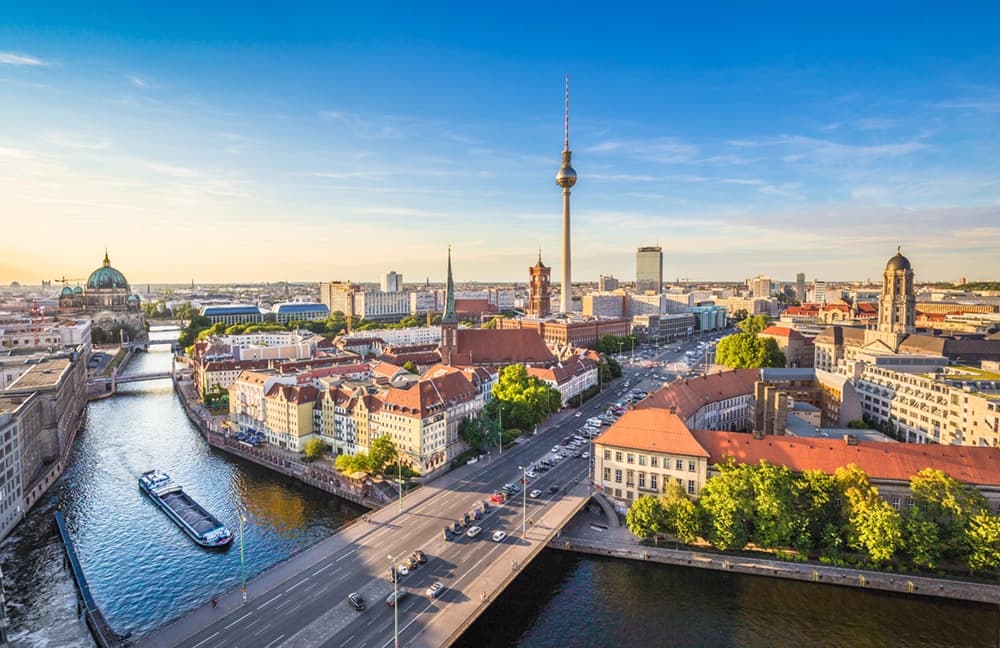
Berlin, the capital and largest city of Germany, is known for its historical significance, cultural diversity, and modern lifestyle. It is one of the top student cities, which often offers a balance of important aspects such as affordability, career prospects, and an active student community. Berlin has developed opportunities for different student interests like design, fashion, music, and the arts, which makes the city appealing to students.
Being a startup and innovation hub, Berlin offers enhanced career opportunities and internships for students. In addition, Berlin has top-notch universities like Humboldt University of Berlin and the Free University of Berlin.
The monthly costs of staying in Berlin may vary based on the type of accommodation and lifestyle, with the costs being distributed under categories that cover rent, food, and transportation.
Estimated cost of living:*
- Renting a house or apartment may cost USD 1,330 (approximately ₹128,518) per month.
- Monthly food expenses may be around USD 561 (approximately ₹54,220).
- Transportation costs can vary up to USD 319 (approximately ₹30,825) per month.
3. Stuttgart
Stuttgart, which is the capital city of the country of Baden-Württemberg, is known for its strong and innovative educational approaches. The University of Stuttgart and Stuttgart University of Applied Sciences have established reputations for enhanced educational offerings.
Stuttgart has a strong industrial base, and it can be viewed as the birthplace of the automobile industry. Students may get potential opportunities for research, internships, and employment in the automotive and engineering industries.
Estimated monthly living expenses for Stuttgart may vary depending on accommodation type, lifestyle, and living expenses.
Estimated cost of living:*
- Room rental of a house or apartment may cost $1,082 (₹104,555) per month.
- The expenses related to food may be $595 (₹57,495) per month.
- Transportation costs can vary up to $180 (₹17,393) per month.
4. Hamburg
Hamburg is considered northern Germany's hub for business, tourism, and culture. The University of Hamburg is among its top institutions. The city provides a high quality of life, with cultural attractions and career opportunities, particularly in the maritime, aerospace, and biotechnology industries.
Home to major companies like Airbus and Hapag-Lloyd, Hamburg boasts over 40,000 specialists in aviation and employs over 154,000 people in logistics. In the maritime sector, Hamburg hosts 115,000 jobs out of 400,000 in Germany overall. Hamburg offers a balance between city life and nature, making it a desirable choice for international students seeking strong career prospects alongside their studies.
The estimated monthly expenses for living in Hamburg can vary depending on accommodation type and lifestyle, with a breakdown that includes costs for rent, food, and travel.
Estimated cost of living:*
- Room rental of a house or apartment may cost $1,162 (₹112,306) per month.
- The expenses related to food may be $588 (₹56,838) per month.
- Transportation costs can vary up to $281 (₹27,153) per month.
5. Frankfurt
Frankfurt is an important, multicultural city known as Germany’s financial centre and is home to the Frankfurt School of Finance & Management and Goethe University Frankfurt. With over 30% of its residents being foreign nationals, Frankfurt offers a truly international atmosphere. The city is a hub for finance, business, and innovation, housing major institutions like the European Central Bank and the Frankfurt Stock Exchange. For students, this translates to numerous internships and networking opportunities.
While in Frankfurt, students can enjoy an active life filled with lots of cultural and recreational activities, including diverse neighbourhoods, international cuisine, museums, and parks.
The estimated monthly expenses for living in Frankfurt can vary depending on accommodation type and lifestyle, with a breakdown that includes costs for rent, food, and travel.
Estimated cost of living:*
- Room rental of a house or apartment may cost $1,290 (₹124,653) per month.
- The expenses related to food may be $601 (₹58,085) per month.
- Transportation costs can vary up to $178 (₹17,200) per month.
6. Cologne
Cologne, the fourth-largest city in Germany, offers a unique combination of tradition and modernity, making it an attractive destination for international students. Home to the University of Cologne, one of Europe's oldest and largest universities, the city has a diverse and comfortable environment for both study and social life. Cologne has an affordable cost of living compared to other major German cities while providing a lively cultural scene and a village-like feel despite its size, making it easy to commute by bike or on foot. Renowned for its cultural scene and the Cologne Carnival, students can enjoy a variety of experiences and a colourful atmosphere.
The estimated monthly expenses for living in Cologne can vary depending on accommodation type and lifestyle, with a breakdown that includes costs for rent, food, and travel.
Estimated cost of living:*
- Room rental of a house or apartment may cost $1,049 (₹101,356) per month.
- The expenses related to food may be $538 (₹51,987) per month.
- Transportation costs can vary up to $208 (₹20,099) per month.
7. Aachen
Aachen is an important academic and research hub, particularly known for mechanical engineering and technology-driven fields. It is home to RWTH Aachen University, one of the leading technical universities in Germany. Students in Aachen can enjoy a long list of activities, from culture to outdoor, including performances at Aachen's Municipal Theatre and excursions to the Eifel volcanic region nearby.
The estimated monthly expenses for living in Aachen can vary depending on accommodation type and lifestyle, with a breakdown that includes costs for rent, food, and travel.
Estimated cost of living:*
- Room rental of a house or apartment may cost $825 (₹79,720) per month.
- The expenses related to food may be $528 (₹51,020) per month.
- Transportation costs can vary up to $120 (₹11,596) per month.
Why Choose Germany to Study?
Studying in top cities in Germany for international students is a robust decision for many reasons:
- World-Class Education: Germany is home to some of the world’s top universities, providing excellent academic programmes and research opportunities.
- Globally Recognised Degrees: Degrees from German universities are highly valued by employers worldwide.
- Affordable Living Costs: Compared to countries like the USA and UK, Germany offers a lower cost of living, with tuition-free education for many programmes.
- Multicultural Environment: With students from all over the world, Germany offers a welcoming and diverse environment.
- Job Market: Germany has a strong economy with growing job opportunities in various sectors.
- Post-Study Work Opportunities: The country offers excellent post-study work visa options, allowing students to gain professional experience.
Conclusion
Germany could be an excellent study destination for international students, offering high-quality education, career opportunities, and a vibrant lifestyle. While the cost of living varies across cities, careful financial planning can make studying in Germany more accessible. Credila provides flexible education loan options to help students finance their studies abroad. Choosing the right city and student loan for Germany can have a significant impact on your education and future career, whether you prefer the innovation-driven environment of Berlin or the research-focused atmosphere of Aachen.
Source for cost of living: https://livingcost.org/
Disclaimer: All USD to INR conversions are based on an exchange rate of 1 USD = ₹96.63 as of July 2026. Exchange rates fluctuate over time, so please check the latest rates before making any financial decisions.